I went to elementary school at Woodland Elementary in the
Avondale School District. Woodland had a program for children in the community with autism
and the kids had their own classroom. When I was in third grade, I was asked to be a Bridge
Buddy for one of the autistic kids. My older brother had been a Bridge Buddy a couple of years
before, so I was familiar with it. The Bridge Buddy program paired children from general
education classes with an autistic student. I would make sure my buddy could sit with me and my friends at lunch, make sure my buddy had someone to play with at recess, and was included in “specials” such as gym, art and music. I would also meet to help my buddy on and off the bus
and to the classrooms. At the time, I was excited to be a bridge buddy because it made me feel
responsible and helpful. Looking back now, I realize that as much as the buddy benefitted from
having a “neuro-typical” student making sure they were included, the lessons it taught me in
compassion, kindness and understanding will stick with me for the rest of my life and in many
ways have shaped my future as an Applied Behavioral Analysis (“ABA”) therapist.
The Bridge Buddy program is a peer-to-peer program in
which autistic children are paired with a general education student and included in the general
education activities. It can include having a buddy to sit with at lunch, someone to play with at
recess, or someone to help with classes like gym, music or art. It can also involve having
someone to help the autistic student to and from the bus or class. The buddy helps the autistic
student with social interactions, group work, recess and classroom routines. The goal of the program is to integrate special education students into the general school environment – to “build a social bridge” for the autistic student.

The Avondale Bridge Buddy program, for example, was “developed as a way to help students
who learn differently build their social interaction skills and also to build awareness in the
general student body about learning difference.” https://patch.com/michigan/rochester/bridge-
Buddy-program-designed-develop-social-skills. The autistic student is paired with a buddy who
helps make school less overwhelming for the student by sitting with them during class, including
them in recess or lunch and providing support. An important part of the program is to make sure
the buddy is trained on what autism is, what sensory overload might look like and how to
identify when their buddy might need. When I was a bridge buddy, I was taught about how to be very clear when I spoke with my buddy and what signs to look for to know when my buddy might need a break or a quieter space. The goal of training is for the buddy to be a friend and to model good behavior.
Some of the different formats of peer buddy program can include:
1. Pairing older students with younger special needs children to foster socialization skills in
the younger student. This type of buddy program involves the older child taking a more
sibling-like approach to the younger child and helping teach social and emotion learning
skills, as well as assist with academic assignments. https://www.edutopia.org/article/how-
2. “Inclusive education” where the autistic student is involved in the daily activities for the
buddy, such as lunch, recess and the classroom. The buddy can provide social inclusion,
peer support and academic support for the autistic child. https://prepwithharshita.com/buddy-system-in-inclusive-education/#google_vignette
3. “Reverse inclusion” is where the buddy is placed in the special education classroom for a
period of time during the school day to help the autistic child. This is helpful when the
general education setting is not appropriate for the autistic child. As explained by
Jacqueline Dobres, “the use of general education peer buddies coming into the special
education classroom can help bridge the gap by providing role models and structured
opportunities for language, play, and social skills. Reverse inclusion can provide students
with autism a familiar environment to begin interactions with their typically developing
peers which may then lead to further opportunities for inclusion in the future.”
https://autismspectrumnews.org/reverse-inclusion-and-the-use-of-peer-buddies-to-teach-
social-skills-in-a-public-school-setting/
4. Sports Buddy Programs are another type of peer-to-peer program where buddies can
assist autistic individuals in learning and playing sports or other such extracurricular
activities. Lake Orion recently built a “Miracle Field” for individuals with various
disabilities to play competitive baseball. Volunteers help teach sports skills and increased
understanding of individuals with disabilities. https://www.michiganmiracle.org/

The Bridge Buddy program has many benefits. For the autistic
child, having a Bridge Buddy encourages social interactions by having a peer to help build
friendships. “By facilitating meaningful interactions, these programs help develop social skills
and foster a sense of belonging. For example, programs that involve neuro-typical peers in
cooperative play or buddy systems enable autistic individuals to engage in shared learning and
social activities, which enhances their communication and relationship-building abilities.”
https://www.buildingblockstherapy.org/blog/benefits-of-peer-support-programs-for-autism The program can result in meaningful friendships. My older brother invited his autistic buddy to his
birthday party in fourth grade, and it was the first time the autistic child had been invited to a
peer’s party. As one Bridge Buddy explained, “just because they have a disability doesn’t mean
they shouldn’t have the same opportunities as everyone else to have fun and make friends.”
Benefits of the Bridge Buddy program for the buddy include
leadership, increased empathy and increased understanding of autism. When training Bridge
Buddies, some schools require buddies to attend training every other week to learn about
differences in learning, how to be good mentor and friend, and tips on modeling ideal behaviors.
According to one social worker, the “benefits for the trained peers includes developing empathy,
tolerance, acceptance, patience and even appreciation for people’s differences; increased verbal and non-verbal communication capacity; and defined sense of self and increased level of self-confidence.”
The school environment also benefits from the program
by having a more inclusive environment and promoting a school environment that encourages
acceptance. According to Beth Ferrer, a Community Service Coordinator for a school with a
Bridge Buddy program, “the presence of buddy programs can create a more inclusive and
accepting school environment, where students feel valued and supported, leading to more
positive and productive school atmosphere.”
https://www.whitbyschool.org/passionforlearning/how-a-school-buddy-program-builds-school-
community-and-confidence-in-kids
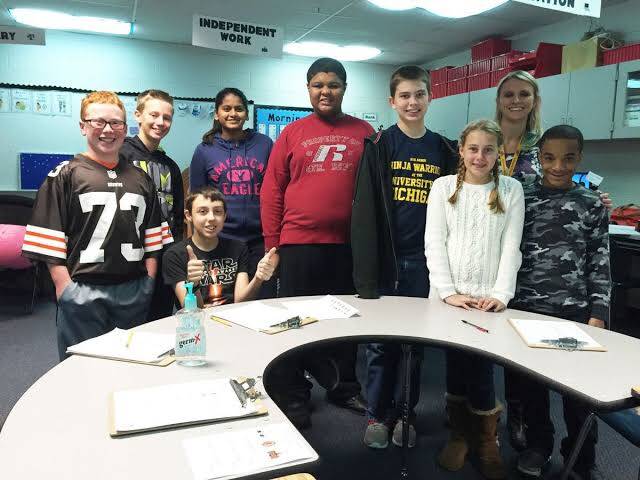
My elementary Bridge Buddy program resulted in a new understanding of autism
for me. I was able to understand why children with autism act the way they do. I was able to
better appreciate their needs and advocate for individuals with learning differences. As one
article explained, “both disabled and non-disabled students can show remarkable growth in their
academic, social and emotional skills by joining a peer buddy program in their learning
community.” https://www.gcu.edu/blog/teaching-school-administration/benefits-implementing-
buddy-system-schools. I know this was true for me. It is easy to focus on the differences that
separate people, when you really get to know someone, it is the similarities that bring us
together. Although children with autism may communicate and learn differently, all children
want a sense of friendship and belonging – that is what the Bridge Buddy program can help
provide.
Create Your Own Website With Webador